The chip shortage has already resulted in price surges
Smartphone market poised for ‘sharpest decline on record’ in 2026
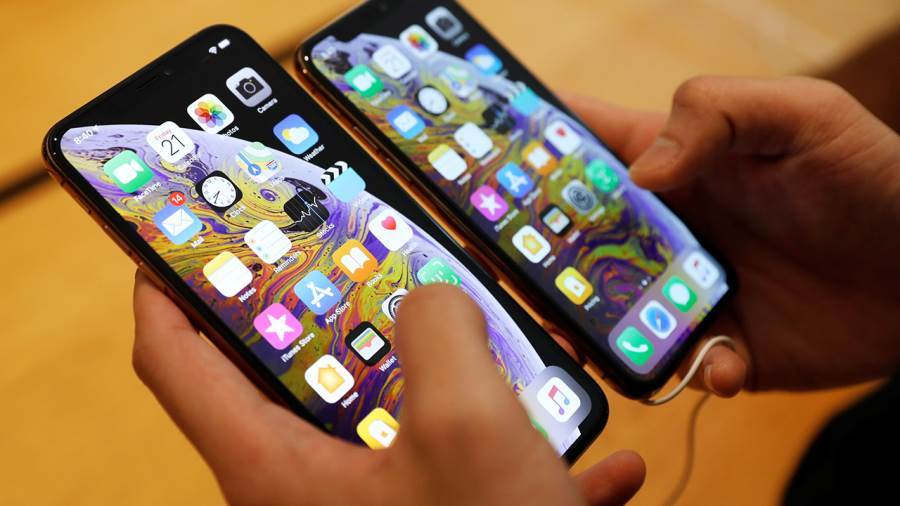


Analysts are forecasting the worst-ever decline in the global smartphone market in 2026, as dwindling memory supplies continue to drive up prices of devices.
The worsening memory crisis could see the global PC and smartphone markets shrink by 11% and 13% respectively, according to a report from the International Data Corporation.
Meanwhile, Counterpoint Research is projecting a 12% year-on-year fall in global smartphone shipments in 2026 — the “sharpest decline on record,” with smartphone shipments this year expected to fall to their lowest annual volumes since 2013.
The warnings come as technology companies looking to cash in on the AI boom through aggressive investments in AI infrastructure are straining memory chip inventories, leaving manufacturers in other memory-intensive sectors, like smartphone and PC producers, scrambling to secure chip supplies.
“A lot of these memory companies are asking smartphone vendors to stand in line behind the hyperscalers, which means allocation [to smartphone vendors] is deprioritized over other segments in the industry — AI in this case,” Tarun Pathak, Counterpoint’s research director of devices and ecosystems, told CNBC.
The chip shortage has already resulted in price surges for components like rapid access memory (RAM) cards, which are necessary for both consumer electronics and the large data center complexes that AI hyperscalers like Amazon and Meta are rushing to invest in.
While this reallocation of chip supplies has affected device manufacturers for years, previous forecasts on the impacts of the AI-fueled demand continually underestimated the severity of the shortage, according to Bryan Ma, vice president of devices research at the IDC.
“It’s dramatically worsened over the past few months,” Ma said. “We actually did a forecast back in November... but in the weeks that followed, right after we published that forecast, it just got worse and worse.”
The IDC had initially expected growth in the global PC and smartphone markets of around 8.3% and 2%, respectively, this year, but adjusted their predictions to reflect the worsening outlook in chip supplies.
Similarly, Counterpoint sees a “structural downturn” taking place in the smartphone market, despite shipments growing by 3.8% year-on-year in the fourth quarter of 2025, as the severity of the chip shortage surpassed expectations.
Structural shifts
Both reports see the worsening chip crunch producing structural shifts in the consumer electronics market.
The chip shortage would likely force manufacturers to pass the burden of their shrinking margins on to consumers, which would likely mean fewer new users and longer replacement cycles for existing users, according to Counterpoint’s Pathak.
However, other opportunities exist, as the secondary and used smartphone market look set to grow with a growing share of consumers priced out by rising memory prices, Pathak said.
Both reports expect OEMs to invariably prioritize sales of mid- to higher-end models, with some manufacturers possibly exiting the lower-end market entirely.