President Donald Trump has used tariffs as a favorite negotiating tool
Bessent says Trump admin will be able to replicate tariffs even if it loses Supreme Court decision

-1120252475029447.jpg)
Treasury Secretary Scott Bessent on Wednesday predicted that the administration still will be able to implement its tariff agenda regardless of whether it prevails in a pending case before the Supreme Court.
Repeating assertions he had made prior to the high court hearing a month ago, Bessent cited several sections of 1962 Trade Act that give the president sweeping powers over import duties.
"We can recreate the exact tariff structure with [sections] 301, with 232, with 122," he said during an onstage interview at The New York Times DealBook Summit.
Asked by host Andrew Ross Sorkin — the founding editor of DealBook and co-host of CNBC's "Squawk Box" — whether the administration had to implement those measures permanently, Bessent replied, "permanently."
Section 122 allows for tariff power up to 150 days, but 301 and 232 are less definitive on a time frame. Bessent also cited the International Emergency Economic Powers Act as providing broad tariff authority, though that is the use under scrutiny by the Supreme Court.
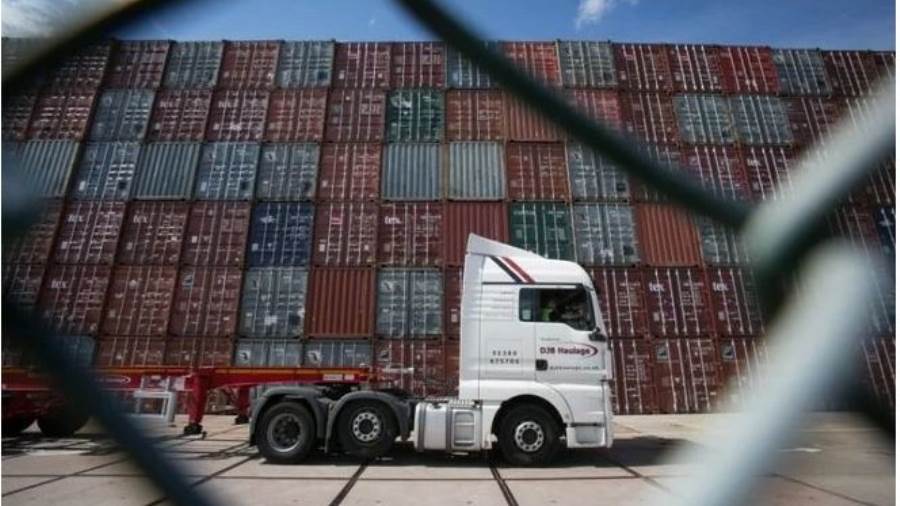
President Donald Trump has used tariffs as a favorite negotiating tool against U.S. trading partners. The president has slapped duties on a wide range of products and virtually all imports that come into the country, though he has backed off on many of the more aggressive measures.
Bessent cited some of the successes the administration has enjoyed thus far, naming China specifically despite ongoing tensions between the two nations.
"Because of the fentanyl tariffs, the Chinese are making the first the step forward that they've made" on trade, he said. Bessent added that China has made "a robust effort" at halting the drug's import into the U.S.
He added that he still thinks the U.S. stands a good chance of prevailing in the Supreme Court case.